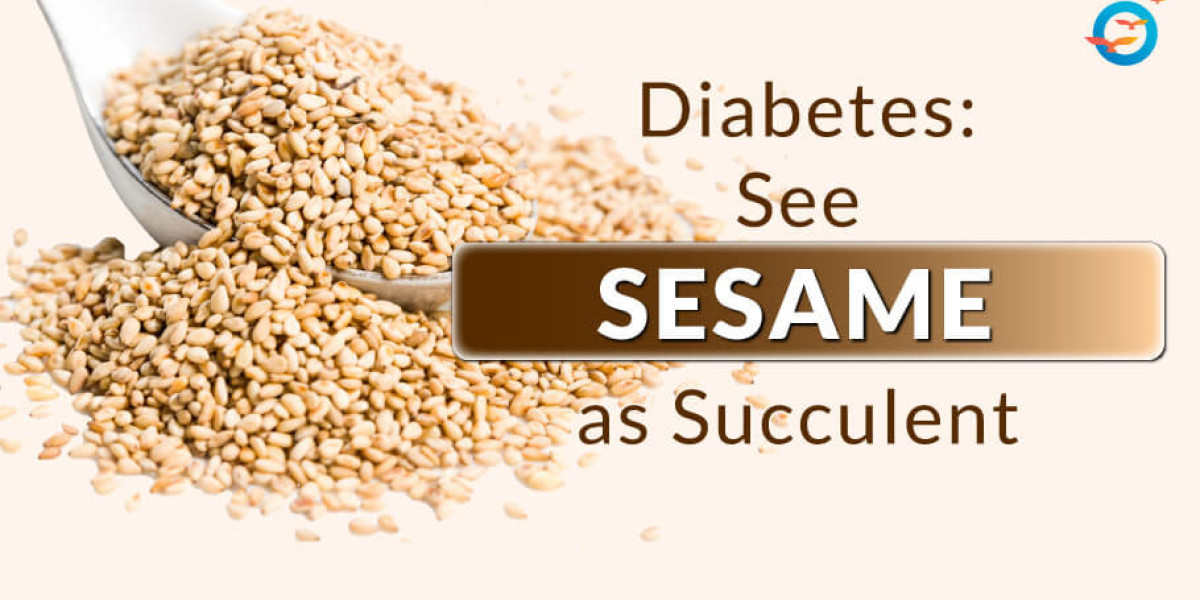

Sesame Seeds and Their Benefits in Diabetes
What Does “Open Sesame” Really Mean for Health?
When we hear the words “Open sesame,” most of us immediately think of the famous story of Alibaba and the forty thieves. In that story, these magical words opened the door to a cave full of hidden treasures.
In real life, I like to think of “Open sesame” as a way to open the door to better health. Something as small and simple as adding sesame seeds to your daily meals can unlock several health benefits, especially for people living with diabetes. These tiny seeds may not look powerful, but they carry a strong nutritional punch.
Sesame seeds have been used in traditional and folk medicine for hundreds of years. Ancient cultures trusted them for strength, energy, and healing. Today, modern nutrition science also supports their benefits, particularly for metabolic health. Since people with diabetes need to be extra mindful about food choices, sesame seeds fit well into a balanced and diabetes-friendly diet.
Understanding Sesame Seeds
Sesame seeds come from the Sesamum indicum plant and grow inside pods. They are widely grown in tropical and subtropical regions such as India, parts of Asia, Africa, and South America. These seeds are known for their rich oil content and long shelf life.
Sesame seeds are commonly available in two forms. One is unhulled sesame seeds, which keep their outer edible covering intact. The other is hulled sesame seeds, where this outer layer is removed. Both types are nutritious, though unhulled seeds contain more minerals like calcium.
Based on color, sesame seeds are generally classified as white sesame seeds and black sesame seeds. While both types offer health benefits, black sesame seeds are often considered slightly more nutrient-dense due to their higher antioxidant content.
Compared to many other oil seeds like peanuts or soybeans, sesame seeds are especially rich in healthy fats. Along with fats, they also provide protein, vitamins, minerals, and protective plant compounds. In terms of energy, 100 grams of sesame seeds provide about 573 calories, mainly from healthy fats that support long-lasting energy.
Nutritional Value of Sesame Seeds
Even a small quantity of sesame seeds can add valuable nutrition to your meals. Around three tablespoons, which is roughly 30 grams, offer a good mix of essential nutrients.
Unhulled sesame seeds are especially rich in calcium, which supports strong bones and teeth. They also provide magnesium, which plays an important role in blood pressure regulation and nerve function. Iron in sesame seeds supports healthy blood and oxygen flow, while zinc and copper help with immunity and metabolism.
Sesame seeds also contain B-complex vitamins such as thiamine, niacin, and vitamin B6. These vitamins are important for energy production, brain function, and proper metabolism. Hulled sesame seeds still offer magnesium, iron, and protein, though their calcium content is lower compared to unhulled seeds.
How Sesame Seeds Help in Diabetes Management
One of the key reasons sesame seeds are helpful for people with diabetes is their effect on blood sugar levels. They contain a combination of healthy fats and plant-based protein. This slows down digestion and prevents sudden spikes in blood sugar after meals.
Heart health is another major concern for people with diabetes. Sesame seeds contain antioxidants and healthy fats that help reduce bad cholesterol and protect blood vessels from damage. Regular intake may lower the risk of heart-related complications.
Sesame seeds are also rich in magnesium, which helps maintain healthy blood pressure. Keeping blood pressure under control is extremely important for preventing long-term diabetes complications.
Chronic inflammation is commonly seen in people with diabetes. Sesame seeds and sesame oil contain natural anti-inflammatory compounds that help calm inflammation and support overall metabolic health.
They are also packed with antioxidants such as sesamin and sesamol. These antioxidants help fight oxidative stress, which is closely linked to insulin resistance and diabetes-related damage.
Benefits Beyond Blood Sugar Control
Sesame seeds support bone health due to their calcium and magnesium content, especially when consumed in their unhulled form. This is particularly helpful for older adults and postmenopausal women with diabetes.
They also play a role in healthy blood cell formation. Nutrients like iron, copper, and vitamin B6 support red blood cell production and improve oxygen transport throughout the body.
The B vitamins present in sesame seeds help improve metabolism and energy levels. This is useful for people with diabetes who often experience fatigue or low energy.
Sesame seeds also support immunity and thyroid health due to nutrients like zinc, selenium, vitamin E, and iron. Healthy thyroid function is important for weight management and blood sugar balance.
Another unique compound in sesame seeds called sesamin has been linked to improved joint health. This may help reduce joint stiffness and knee pain, which are common issues in long-standing diabetes.
For women, sesame seeds can be especially helpful during menopause. They contain phytoestrogens, plant compounds that may help balance hormones, manage weight gain, and reduce insulin resistance during this phase.
Why Black Sesame Seeds Deserve Special Attention
Black sesame seeds are often considered more powerful than white ones due to their higher antioxidant levels. They help manage blood pressure, reduce inflammation, fight oxidative stress, and provide healthy fats and protein. Including black sesame seeds in moderation can support better metabolic control and overall health in people with diabetes.
Safe and Simple Ways to Eat Sesame Seeds
Sesame seeds can be dry roasted and added to vegetables, salads, or dals. They can be sprinkled over rotis, chutneys, or soups to enhance taste and nutrition. Sesame oil can also be used in small amounts for cooking.
A safe daily intake is about one to two tablespoons, unless your doctor or nutritionist advises otherwise.
If you found this blog helpful, do share it with others who may benefit from it. You can also read our special article on kiwi and its health benefits and follow us on Instagram for updates and events.
To read more about sesame seeds and diabetes, you can visit our detailed blog on the Freedom From Diabetes website.
Read more about this, visit our blog.
https://www.freedomfromdiabetes.org/blog/post/sesame-seeds-and-its-benefits-in-diabetes/366