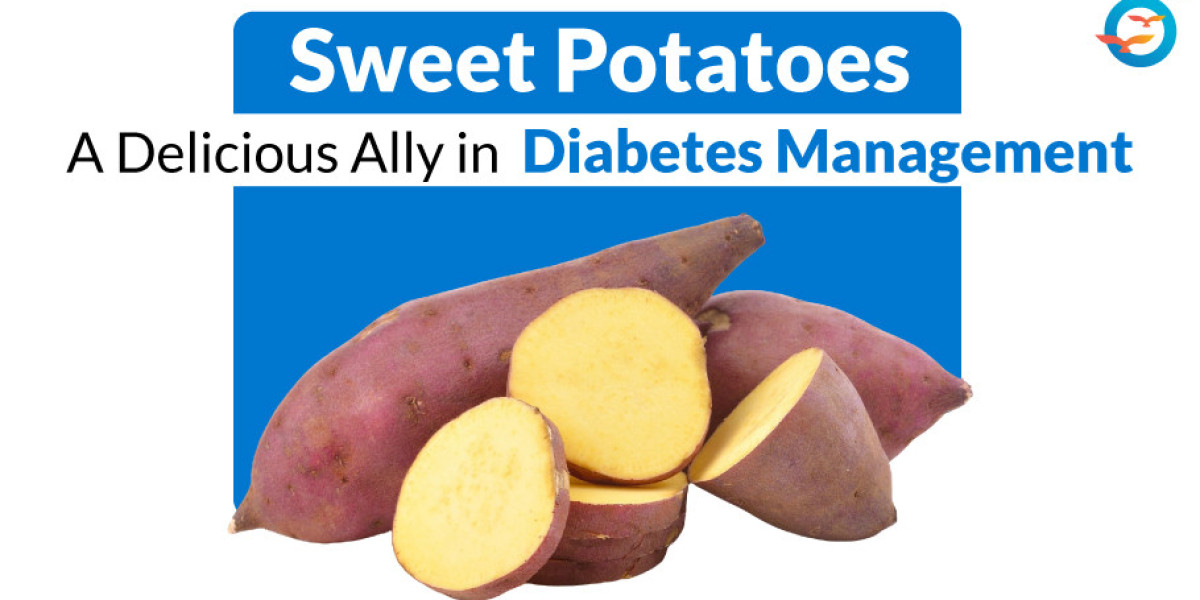

Is Sweet Potato Good for Diabetes Patients?
Managing diabetes is not just about avoiding sugar. It is about choosing the right foods that support stable blood sugar levels, improve metabolism, and prevent complications. Among commonly discussed foods, sweet potato often creates confusion. Is it healthy or risky for diabetics? The answer depends on how and how much you consume it.
Understanding Diabetes and the Role of Diet
Diabetes is a long-term condition where the body struggles to regulate blood glucose effectively. This makes diet one of the most important pillars of management.
Choosing the right foods helps in:
Maintaining stable blood sugar levels
Preventing sudden spikes and crashes
Supporting weight management
Reducing the risk of complications
A balanced and mindful diet can significantly improve overall health outcomes in diabetes.
Glycemic Index vs Glycemic Load: What Matters More?
When selecting foods, two important concepts come into play: Glycemic Index (GI) and Glycemic Load (GL).
Glycemic Index (GI): Measures how quickly a food raises blood sugar
Glycemic Load (GL): Considers both the quality and quantity of carbohydrates
Foods with low GI and GL are better choices for diabetics because they release glucose slowly into the bloodstream. This helps in maintaining steady energy levels and avoiding sudden spikes.
Sweet Potato: Nutritional Profile
Sweet potato is a nutrient-dense root vegetable known for its natural sweetness and versatility in cooking.
Key Nutritional Benefits
Rich in fiber, which helps control blood sugar
High in beta-carotene (especially orange varieties)
Contains antioxidants (especially purple varieties)
Provides essential vitamins and minerals
Different varieties such as orange, purple, white, and yellow sweet potatoes offer unique health benefits.
Does Sweet Potato Increase Blood Sugar?
Sweet potato can raise blood sugar, but the extent depends on how it is cooked and consumed.
The glycemic index of sweet potatoes ranges between 44 to 94:
Boiled sweet potatoes: Lower GI (better option)
Baked or roasted: Higher GI (can spike sugar faster)
This means sweet potatoes are not harmful if eaten in the right form and quantity.
How Cooking Method Affects Blood Sugar
Cooking methods play a major role in how sweet potatoes impact glucose levels.
Boiling (Best Option)
Boiling helps retain moisture and slows down starch breakdown. This results in a gradual release of glucose into the bloodstream.
Roasting or Baking
These methods increase sweetness due to caramelization, which can raise the glycemic index and lead to quicker sugar spikes.
Frying (Avoid)
Frying not only increases the GI but also adds unhealthy fats and extra calories, making it unsuitable for diabetes management.
How to Include Sweet Potato in a Diabetic Diet
Sweet potato can be part of a diabetes-friendly diet if consumed mindfully.
Smart Tips for Inclusion
Stick to moderate portion size (about half a medium sweet potato)
Prefer boiled over fried or roasted
Combine with low-GI foods like leafy vegetables
Add protein sources like dal, paneer, or legumes
Include healthy fats to slow glucose absorption
Balancing your meal helps reduce the overall glycemic load and keeps blood sugar stable.
Portion Control: The Key Factor
Even healthy foods can cause problems when eaten in excess. Portion control is essential when including sweet potatoes in your diet.
A recommended serving size is:
½ to 1 cup cooked sweet potato
This ensures you get the nutritional benefits without risking high blood sugar levels.
Can Sweet Potato Help in Weight Management?
Yes, sweet potatoes can support weight management in diabetics.
Their high fiber content:
Promotes fullness
Reduces overeating
Supports better digestion
When included in a balanced diet, they can help maintain a healthy weight, which is crucial for diabetes control.
Conclusion
Sweet potato can be a healthy addition to a diabetic diet when consumed in moderation and prepared correctly. It offers valuable nutrients, fiber, and antioxidants that support overall health.
However, the key lies in choosing the right cooking method, maintaining portion control, and balancing meals with other low-GI foods. When done right, sweet potato can be both safe and beneficial for managing blood sugar levels.
To read more: https://www.freedomfromdiabetes.org/blog/post/sweet-potato-and-diabetes/4207