
The chemical industry depends heavily on efficient distribution networks to ensure the smooth movement of raw materials, intermediates, and specialty chemicals across global markets. As industries become more complex and regulatory requirements intensify, chemical distribution is no longer limited to storage and transportation. Instead, it has evolved into a sophisticated ecosystem that integrates logistics expertise, regulatory knowledge, digital technologies, and technical support.
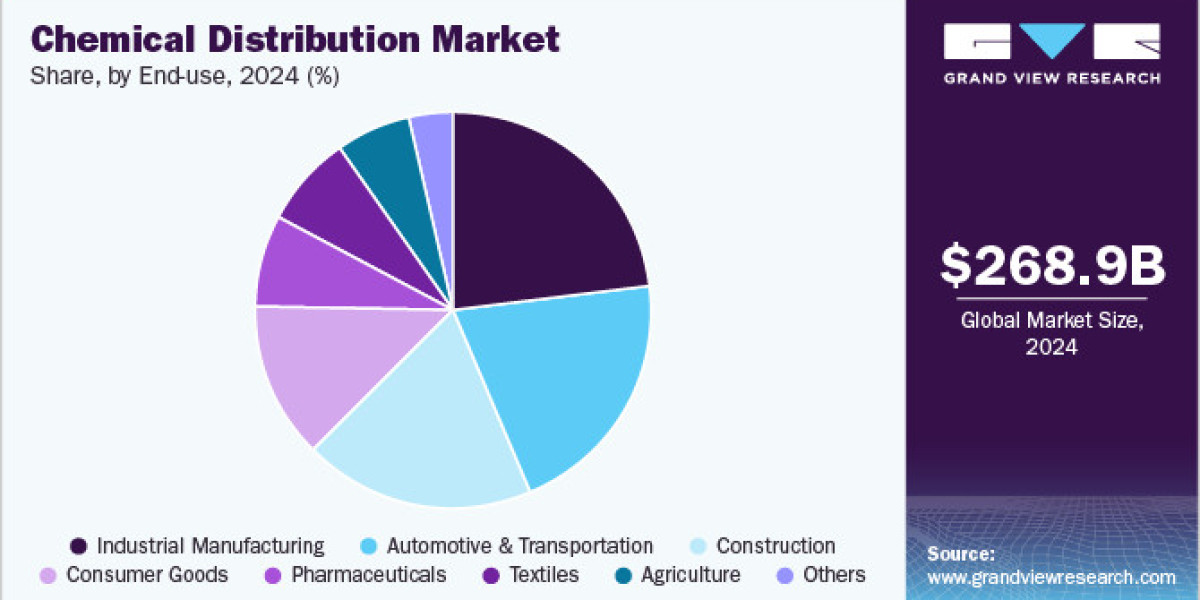
This transformation is clearly reflected in market growth trends. The global chemical distribution market size was estimated at USD 268.9 billion in 2024 and is projected to reach USD 403.22 billion by 2030, growing at a CAGR of 7.3% from 2025 to 2030. This expansion is largely fueled by increasing chemical consumption across key end-use sectors such as construction, pharmaceuticals, polymers and resins, and plastics. As manufacturing output rises globally, the role of reliable chemical distribution services becomes increasingly critical to maintain consistent supply chains and operational continuity.
Growing Complexity Driving Demand For Specialized Distribution
The chemical sector includes thousands of compounds with varying storage, handling, and transportation requirements. From hazardous materials to temperature-sensitive specialty ingredients, each product requires strict compliance with safety standards and regulatory guidelines. As a result, industries are increasingly relying on specialized chemical distribution companies that possess the infrastructure and expertise needed to manage these complexities.
Modern chemical distribution services extend far beyond logistics. Many distributors now offer services such as product blending, repackaging, quality assurance testing, and regulatory compliance support. These value-added capabilities help manufacturers focus on production while ensuring that their products reach customers safely and efficiently.
Industries such as pharmaceuticals and personal care have particularly stringent regulatory frameworks, requiring precise documentation, traceability, and controlled storage conditions. Chemical distributors with specialized technical knowledge play an important role in maintaining compliance throughout the supply chain.
Digital Technologies Reshaping Chemical Supply Chains
Another key development in the industry is the rapid integration of digital tools and smart supply chain solutions. Chemical distributors are increasingly adopting digital platforms that allow customers to track orders, monitor inventory levels, and access product specifications in real time.
Artificial intelligence and advanced data analytics are also helping distributors forecast demand patterns more accurately. By analyzing historical purchasing trends and market signals, distributors can optimize inventory planning and reduce supply disruptions. This level of digital integration improves transparency and efficiency across the entire chemical value chain.
Automation in warehouse operations is further enhancing productivity. Modern storage facilities equipped with automated handling systems and IoT-based monitoring tools can maintain optimal storage conditions while reducing manual errors.
Shift Toward Specialty Chemicals And Customized Solutions
A notable shift within the chemical distribution landscape is the increasing demand for specialty chemicals rather than bulk commodity products. Industries such as electronics, coatings, personal care, and advanced materials require highly specific formulations tailored to particular applications.
This shift is encouraging chemical distribution companies to strengthen their technical capabilities. Many distributors now maintain laboratories and technical teams that assist customers in product selection, formulation development, and application testing. By offering technical consultation along with distribution services, companies can create stronger partnerships with manufacturers and end users.
Furthermore, sustainability considerations are influencing procurement strategies across industries. Businesses are increasingly seeking bio-based chemicals, environmentally responsible formulations, and suppliers that demonstrate transparent environmental practices. Chemical distributors are therefore expanding their portfolios to include sustainable and specialty chemical solutions.
Supply Chain Resilience Becoming A Priority
Recent global supply chain disruptions have highlighted the importance of resilient distribution networks. Companies are now focusing on diversifying supplier bases, establishing regional distribution hubs, and strengthening logistics infrastructure to mitigate potential disruptions.
Chemical distribution services play a crucial role in building these resilient supply networks. By maintaining strategic inventories and leveraging extensive supplier relationships, distributors help ensure consistent product availability even during periods of market volatility.
Additionally, regulatory compliance and safe handling remain central to the chemical distribution process. Distributors invest heavily in training programs, safety protocols, and advanced storage systems to maintain high operational standards.
Leading Companies Shaping The Chemical Distribution Market
The chemical distribution market is supported by several global companies that have developed extensive logistics networks and technical capabilities. These organizations play a major role in expanding market access and introducing innovative distribution models.
Key chemical distribution companies include:
- Univar Solutions Inc.
- Helm AG
- Brenntag AG
- Ter Group
- Barentz
- Azelis
- Safic Alan
- ICC Industries, Inc.
- Jebsen & Jessen Pte. Ltd.
These companies continue to strengthen their market positions through strategic acquisitions, digital platform development, and expansion into emerging regions. Their investments in supply chain optimization and specialty chemical portfolios are shaping the future direction of the industry.
Outlook For The Chemical Distribution Industry
Looking ahead, the chemical distribution sector is expected to become even more technology-driven and service-oriented. Increasing demand for specialty chemicals, stronger environmental regulations, and the growing need for supply chain transparency will continue to influence industry evolution.
For chemical distribution companies, the ability to integrate logistics expertise with digital innovation and technical services will be essential for maintaining competitive advantage. As industries worldwide expand production and diversify chemical usage, efficient distribution networks will remain a critical component of global industrial growth.