
The canned food sector is entering a new phase of transformation. What was once seen primarily as a convenient pantry staple is now evolving into a sophisticated segment driven by innovation, nutrition awareness, and supply chain efficiency. As consumer expectations shift toward quality, transparency, and sustainability, the role of a reliable canned food manufacturer has become more strategic than ever.
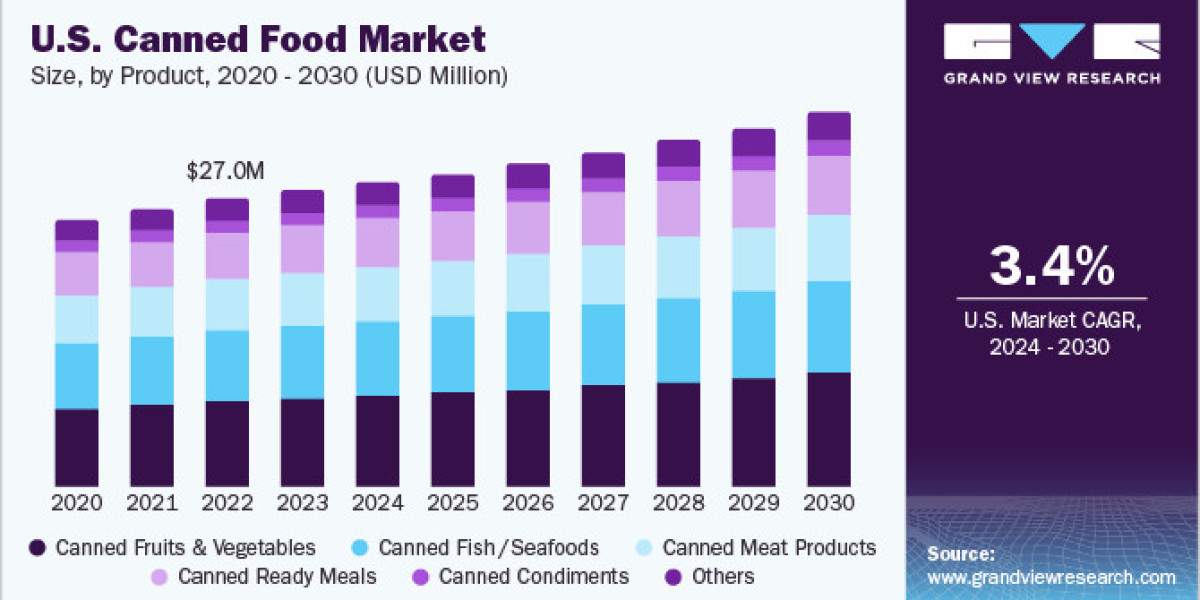
Global demand reflects this momentum. The global canned food market is projected to reach approximately USD 154.72 billion by 2030. This steady expansion is fueled by the ability of canned products to combine convenience with long shelf life while maintaining nutritional value. In many markets, canned foods are no longer viewed merely as backup supplies but as practical, everyday meal solutions that support modern lifestyles.
One of the most noticeable shifts in the industry is the rising interest in preservative free canned food. Consumers are increasingly attentive to ingredient labels and prefer products that retain freshness through advanced processing and packaging techniques rather than chemical additives. Modern canning technologies, including high-temperature sterilization and airtight sealing, allow food to remain safe and flavorful for extended periods without artificial preservatives. For manufacturers and distributors, this presents a significant opportunity to develop clean-label product lines that meet the expectations of health-conscious buyers.
Another powerful driver shaping the market is the growth of premium and specialized canned offerings. Traditionally, canned food was associated with affordability and practicality. Today, it is also becoming a platform for quality and culinary creativity. Premium seafood, organic vegetables, gourmet soups, and nutrient-dense ready meals are expanding the category. In fact, social media trends and food influencers have even turned canned seafood into a lifestyle product, showing how packaging innovation and branding can transform a simple pantry item into a desirable food experience.
This evolving perception is pushing retailers, wholesalers, and foodservice providers to partner with manufacturers capable of delivering both quality and consistency. Working with an experienced canned food manufacturer ensures reliable production standards, regulatory compliance, and scalable supply. At the same time, manufacturers are investing in better sourcing practices and modern processing facilities to maintain flavor, nutrition, and safety throughout the product lifecycle.
The competitive landscape is shaped by several global leaders that continue to influence product innovation, distribution strategies, and consumer trends. Some of the most recognized companies operating in the canned food market include:
- Conagra Brands, Inc.
- Kraft Heinz Company
- Campbell Soup Company
- The Kraft Heinz Company
- Del Monte Foods, Inc.
- Hormel Foods Corporation
- Thai Union Group PCL
- Dole Food Company, Inc.
- Bonduelle SA
- Bumble Bee Foods LLC
These organizations collectively hold a significant share of the global market and play a major role in setting industry benchmarks for product development, quality standards, and distribution networks. Their ongoing investments in sustainable packaging, improved shelf stability, and healthier product lines demonstrate how the canned food category continues to evolve.
Alongside established players, emerging producers are also gaining attention by focusing on niche categories such as organic vegetables, plant-based meals, and functional nutrition. Many of these companies are introducing preservative free canned food options designed for modern consumers who want both convenience and nutritional integrity. As these products reach wider audiences, they are redefining what customers expect from canned goods.
Another important trend influencing purchasing decisions is brand credibility. Buyers increasingly evaluate suppliers based on production capabilities, food safety certifications, and consistent quality control. This has intensified competition among the best canned food brands, encouraging continuous improvements in product formulation, packaging design, and supply chain transparency.
Innovation in packaging is also strengthening the industry’s position. Lightweight metal cans, recyclable materials, and improved sealing technologies are helping manufacturers reduce environmental impact while preserving product freshness. These advancements not only extend shelf life but also support global distribution by making canned foods easier to transport and store without refrigeration.
Looking ahead, the canned food sector will likely continue expanding as urbanization, busy lifestyles, and food security concerns influence purchasing behavior. Demand for reliable, ready-to-use food solutions is expected to remain strong across both developed and emerging markets.
For companies operating within the food supply ecosystem, the key to success lies in aligning with manufacturers who combine production expertise with innovation. By offering preservative free canned food, maintaining high manufacturing standards, and continuously adapting to evolving consumer preferences, the best canned food brands are positioning themselves at the forefront of this rapidly growing market.