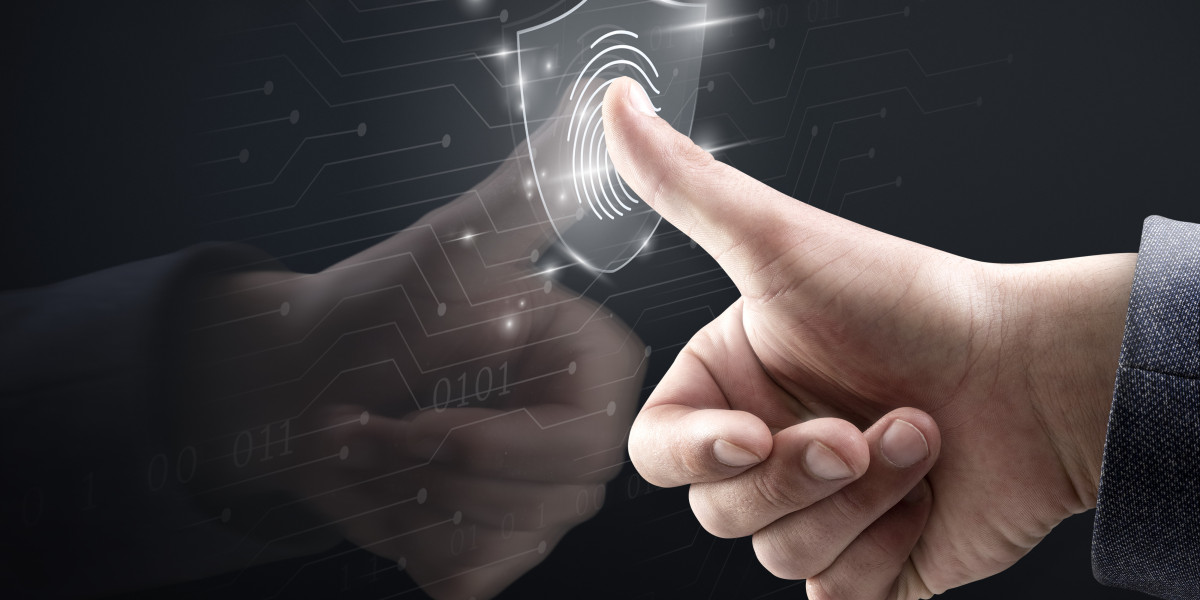

Biometric technology has moved from specialized security environments into everyday digital infrastructure. From unlocking smartphones and authorizing payments to enabling secure border control and workplace access, biometrics are redefining how identities are verified. As organizations seek stronger security and frictionless user experiences, the biometrics industry is evolving rapidly with new applications across finance, transportation, healthcare, government, and consumer electronics.
The demand for biometric authentication is largely driven by the need to replace traditional passwords and physical identification systems with more reliable and convenient solutions. Biometric identifiers such as fingerprints, facial recognition, iris scans, and voice patterns provide unique biological markers that are significantly harder to duplicate. As cyber threats continue to grow and digital ecosystems expand, companies and institutions are increasingly deploying biometric authentication systems to enhance security while simplifying access to digital services.
Current industry trends indicate strong momentum for biometric technologies worldwide. The global biometric technology market growing at a compound annual growth rate (CAGR) of 20.4% from 2023 to 2030 reflects the accelerating adoption of biometric authentication systems across multiple sectors. This expansion is being fueled by the rapid integration of biometrics into consumer electronics, financial services, automotive systems, and public safety infrastructure.
Mobile Biometrics Driving Digital Authentication
One of the fastest-growing segments within the biometrics industry is the mobile biometrics market. Smartphones and tablets have become the primary platforms through which millions of users interact with digital services, making secure authentication a critical requirement. Fingerprint sensors, facial recognition cameras, and advanced biometric software are now standard features in most modern mobile devices.
Mobile biometrics are widely used for mobile banking, digital payments, identity verification, and secure application access. By eliminating the need for passwords or PIN codes, biometric authentication provides both enhanced security and a more seamless user experience. This convenience has contributed significantly to the rapid growth of mobile biometrics across financial services, e-commerce platforms, and digital identity systems.
The expansion of mobile biometrics is also closely tied to the rise of digital wallets and contactless payment solutions. Financial technology providers are increasingly integrating fingerprint and facial recognition verification to authorize transactions, reducing fraud risks while simplifying payment processes. As digital payment ecosystems continue to expand globally, biometric authentication is becoming a core component of secure financial infrastructure.
Biometric Systems Transforming Multiple Industries
Beyond mobile applications, the biometric system market is expanding across several key industries. Governments and border control agencies are deploying biometric identification systems to improve immigration security and streamline passenger processing at airports. Automated biometric gates equipped with facial recognition technology allow travelers to move through checkpoints more efficiently while maintaining strong identity verification standards.
In the automotive sector, biometric technology is being introduced into vehicle systems to enhance safety and personalization. Modern vehicles are increasingly equipped with driver authentication systems that use facial recognition or fingerprint scanning to unlock cars and activate personalized settings. In addition, biometric monitoring systems can detect driver fatigue or health-related risks, adding an additional layer of safety to next-generation vehicles.
Workplace security is another area experiencing rapid adoption of biometric solutions. Organizations are replacing traditional access cards with biometric identity verification systems that control entry to offices, research facilities, and data centers. These systems reduce the risk of unauthorized access and provide detailed audit trails for security management.
Healthcare institutions are also implementing biometric technologies to protect patient data and improve identity verification during medical procedures. By ensuring that healthcare professionals and patients are accurately identified, biometric systems help reduce administrative errors and enhance data security within hospital networks.
Innovation and Key Industry Participants
As biometric technologies continue to evolve, numerous technology providers are developing advanced identification platforms that combine multiple biometric modalities. Multimodal systems that integrate fingerprint, facial recognition, and iris scanning are becoming increasingly popular because they provide higher accuracy and improved reliability compared with single-factor authentication.
Several companies are actively contributing to innovation across the biometric system market by developing advanced hardware, software, and identity management platforms. Some prominent players in the global biometric technology market include:
- Accu-Time Systems, Inc.
- AFIX Technologies
- BIO-key International, Inc.
- DERMALOG Identification Systems GmbH
- East Shore Technologies, Inc.
- EyeVerify, Inc.
- Fujitsu Limited
- Gemalto NV
- HID Global Corporation
These organizations focus on biometric hardware devices, identity verification platforms, access control solutions, and digital authentication technologies that support a wide range of applications across industries.
Future Outlook for the Biometrics Industry
Looking ahead, biometric technology will continue to expand as digital ecosystems become more interconnected and security requirements grow more complex. The convergence of artificial intelligence, cloud computing, and biometric sensors is enabling more accurate and scalable identity verification systems.
The biometrics industry is expected to play an increasingly important role in shaping the future of digital security. As organizations prioritize stronger identity protection and frictionless authentication experiences, biometric systems will remain at the forefront of innovation in global security and digital identity management.