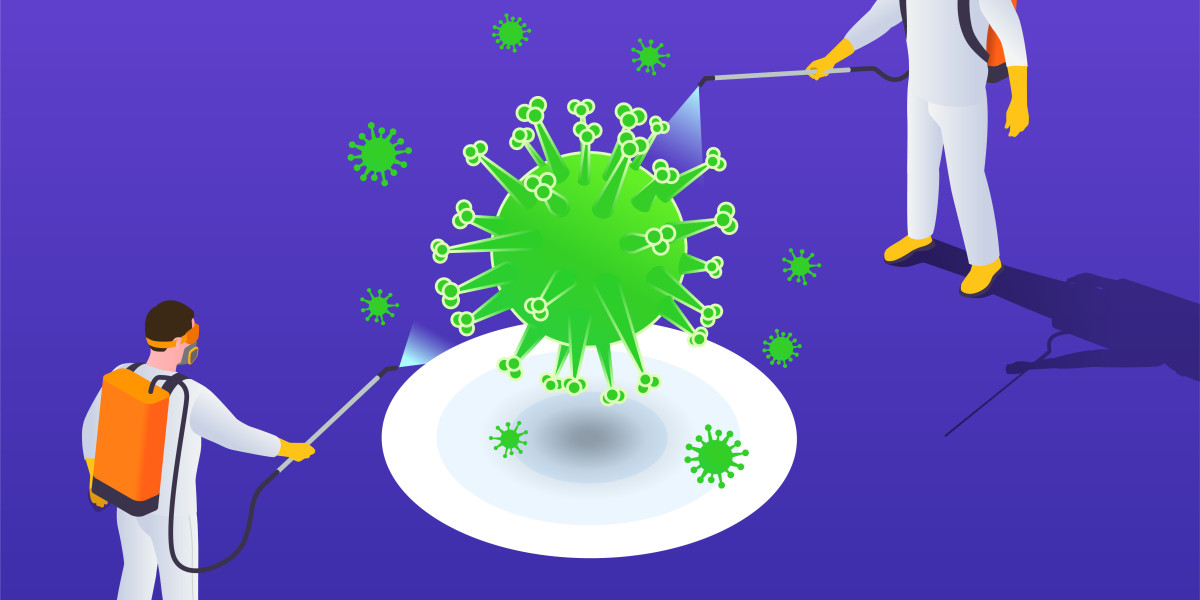

Biological threats are increasingly recognized as a critical challenge for governments, healthcare institutions, and national security agencies. From naturally emerging infectious diseases to potential bioterrorism incidents, the ability to detect, contain, and respond to biological risks has become a strategic priority worldwide. As a result, investments in advanced biodefense detection systems and integrated response frameworks are steadily increasing. Modern biodefense strategies now combine public health preparedness, military readiness, and advanced biotechnology capabilities to ensure rapid protection against biological hazards.
Biodefense is essentially a coordinated framework of medical, technological, and defense measures aimed at protecting populations from biological toxins and infectious agents. In practical terms, biodefense is a set of medical or military measures taken in response to the demand for restoring the biosecurity of a country against biological toxins or infectious agents. These measures include pathogen detection technologies, vaccine development platforms, medical countermeasures, and emergency response protocols designed to minimize the impact of biological threats.
Recent global health crises have reinforced the need for stronger preparedness systems. Governments are increasingly focusing on early detection capabilities that can identify pathogens before outbreaks escalate into large-scale public health emergencies. This growing emphasis on surveillance and rapid response is driving demand for advanced biodefense detection systems capable of analyzing environmental samples, monitoring air quality in sensitive facilities, and detecting hazardous biological agents in real time.
Technology and Innovation Strengthening Detection Capabilities
One of the most significant developments in the biodefense sector is the rapid advancement of detection technologies. Modern biodefense detection systems now incorporate genomic sequencing, biosensors, artificial intelligence, and automated laboratory platforms to improve speed and accuracy. These technologies allow scientists and defense agencies to identify pathogens within hours rather than days, dramatically improving response time during biological emergencies.
Environmental monitoring is also becoming a critical component of biodefense preparedness. Sensors deployed in transportation hubs, public infrastructure, and defense installations can continuously monitor for biological agents. When combined with real-time data analytics, these systems provide early warnings that help authorities respond before threats spread widely.
Artificial intelligence is increasingly being integrated into biodefense platforms as well. AI-driven models can analyze large volumes of epidemiological data to predict outbreak patterns, detect unusual biological activity, and guide decision-makers in deploying medical resources efficiently. This combination of detection technologies and digital intelligence is significantly strengthening national biosecurity strategies.
Another important area of development is the creation of rapid vaccine platforms and therapeutic countermeasures. Advances in biotechnology allow researchers to design vaccines and treatments for emerging pathogens far more quickly than in the past. These innovations ensure that governments can respond more effectively to both natural disease outbreaks and deliberate biological attacks.
Expanding Role of Industry in Biodefense Solutions
The growing complexity of biological threats has led to stronger collaboration between governments, research institutions, and private companies. Many biodefense solutions providers are now playing a central role in developing detection technologies, vaccines, and therapeutic countermeasures. Their research capabilities, manufacturing infrastructure, and technological expertise are helping accelerate innovation across the sector.
Industry estimates indicate that the global biodefense market growing at a CAGR of 5.0% from 2023 to 2030, reflecting the steady expansion of preparedness programs and national biosecurity initiatives. Governments continue to allocate resources toward strengthening laboratory networks, developing strategic medical stockpiles, and improving detection capabilities that can identify biological threats early.
Several companies have established strong positions in this evolving landscape by focusing on advanced biodefense technologies and medical countermeasure development. Some prominent players in the global biodefense market include:
- XOMA Corporation
- Altimmune Inc.
- Emergent Biosolutions Inc.
- Dynavax Technologies Corporation
- SIGA Technologies
- Elusys Therapeutics Inc.
- Ichor Medical Systems
- Dynport Vaccine Company
These organizations contribute to the development of vaccines, immune therapies, pathogen detection technologies, and other specialized biodefense solutions that support global health security efforts.
Strengthening Preparedness for Future Biological Threats
Looking ahead, biodefense strategies will likely become more integrated and technologically advanced. Governments are expected to expand surveillance networks, invest in high-containment laboratories, and strengthen coordination between public health and defense agencies. Advances in biotechnology and digital health systems will also play a critical role in enabling faster detection and response.
The continued development of biodefense detection systems will remain central to these efforts. Early identification of biological agents allows authorities to isolate threats, deploy medical countermeasures, and prevent widespread disruption. As biological risks continue to evolve, the importance of reliable detection technologies and specialized biodefense solutions providers will only grow.
In an increasingly interconnected world, the ability to safeguard populations against biological threats has become a cornerstone of national resilience. Organizations that focus on advanced detection technologies, medical countermeasures, and integrated preparedness strategies will play a vital role in shaping the future of global biodefense.