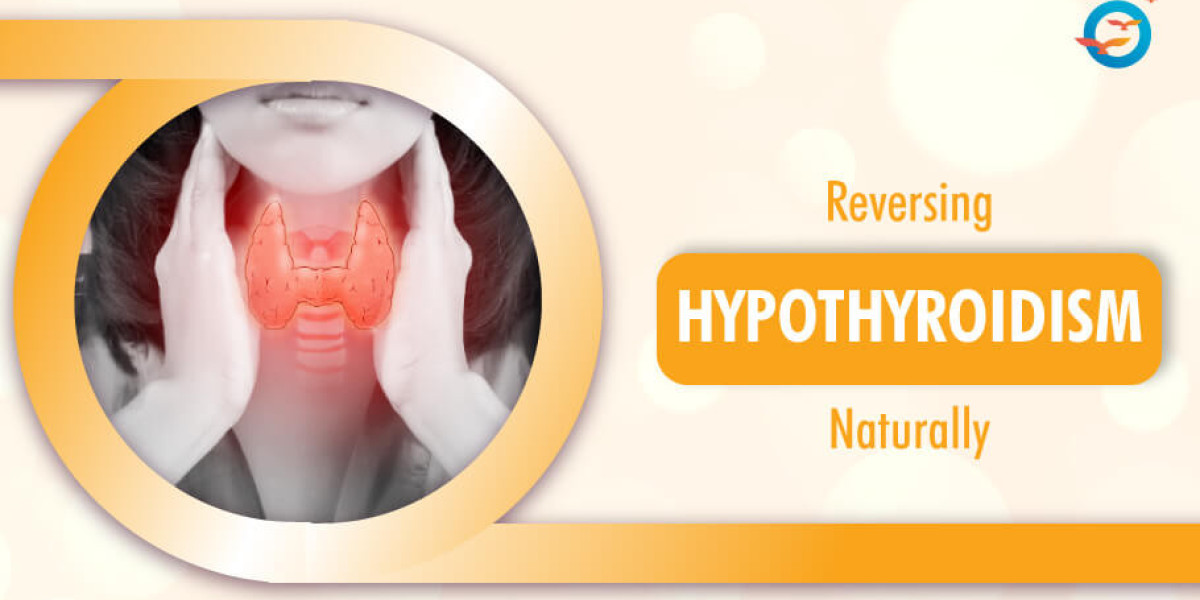

Reversing Hypothyroidism the Natural Way
Our body runs on a delicate balance of hormones, and one of the most important glands responsible for maintaining this balance is the thyroid gland. This small butterfly-shaped gland is located in the front of the neck and plays a major role in controlling metabolism. Metabolism is the process through which the body converts food into energy and supports functions like heart rate, body temperature, digestion, and overall energy levels.
The thyroid gland produces two main hormones known as T3 (Triiodothyronine) and T4 (Thyroxine). These hormones help regulate how our body uses energy. When the thyroid gland does not produce enough of these hormones, the body’s metabolism slows down. This condition is known as hypothyroidism.
Hypothyroidism is a common health condition today and is seen more frequently in women, especially after the age of 40. However, with the right lifestyle habits, nutrition, and natural approaches, thyroid health can be supported effectively.
Understanding Hypothyroidism
Hypothyroidism happens when the thyroid gland becomes underactive and cannot produce enough hormones required for the body to function properly. When hormone levels drop, several body processes slow down, leading to noticeable physical and mental symptoms.
Many people may live with hypothyroidism for years without realizing the underlying cause of their symptoms. Since the symptoms develop gradually, they are often mistaken for general tiredness or stress.
Understanding the causes and symptoms early can help in managing the condition better and preventing it from becoming severe.
Common Causes of Hypothyroidism
Several factors can affect the normal functioning of the thyroid gland. Some of the most common causes include:
Autoimmune Conditions
One of the most common reasons is Hashimoto’s thyroiditis. In this condition, the immune system mistakenly attacks the thyroid gland, gradually reducing its ability to produce hormones.
Iodine Deficiency
Iodine is an essential nutrient required for the production of thyroid hormones. A lack of iodine in the diet can affect hormone production and contribute to thyroid dysfunction.
Zinc Deficiency
Zinc plays an important role in hormone synthesis and immune function. Low zinc levels may interfere with proper thyroid hormone production.
Certain Medications
Some medications used for treating other health conditions can affect thyroid hormone production or interfere with thyroid function.
Lifestyle and Stress
Long-term stress, poor sleep patterns, unhealthy diet habits, and lack of physical activity may also impact hormonal balance in the body.
Common Symptoms of Hypothyroidism
When the thyroid becomes underactive, the body begins to show several signs. These symptoms may appear slowly and vary from person to person.
Some commonly observed symptoms include:
Constant tiredness and low energy
Unexplained weight gain
Constipation or slow digestion
Feeling depressed or low mood
Sensitivity to cold temperatures
Dry skin and brittle nails
Hair fall or thinning hair
Puffy face or swelling in the feet
Slow heart rate
Difficulty concentrating
If these symptoms continue for a long period, it is important to consult a healthcare professional and check thyroid hormone levels.
Natural Ways to Support Thyroid Health
Along with medical guidance, certain natural lifestyle practices can support thyroid health and help improve overall hormonal balance. These approaches focus on nutrition, stress management, and traditional wellness practices.
Ayurvedic Support for Thyroid Health
Ayurveda offers several traditional methods that may help support thyroid function.
Walnut Oil Neck Massage
Gently massaging walnut oil around the neck area may help improve circulation near the thyroid gland and support gland activity.
Herbal Formulations
Certain Ayurvedic herbal formulations like Triphladya Guggulu and Punarnavadi Kashayam have been studied for their supportive role in improving metabolic balance and thyroid function. These should always be taken under the guidance of a qualified practitioner.
Importance of a Healthy Diet
Nutrition plays a major role in maintaining hormonal balance and supporting thyroid health.
A balanced diet should include:
Fresh seasonal fruits and vegetables
Whole grains such as brown rice, millets, and oats
Lean protein sources like lentils, legumes, and nuts
Healthy fats in moderate amounts
It is also important to stay well hydrated. Drinking around 2 liters of water daily helps maintain digestion and overall metabolic health.
At the same time, certain foods should be limited or avoided, such as:
Excess sugar
Highly processed foods
Deep fried items
Refined carbohydrates
A clean and balanced diet can support better metabolic function and overall well-being.
Coriander Water Detox for Thyroid Support
A simple traditional remedy that is often suggested for supporting thyroid health is coriander water.
How to prepare it:
1 teaspoon of ground coriander seeds is soaked overnight in a glass of water.
In the morning, the mixture is boiled until the water reduces to half.
After straining, the water can be consumed on an empty stomach.
This practice can be continued for about one month along with regular breathing exercises. Coriander is believed to support detoxification and help maintain hormonal balance in the body.
Yoga Practices That May Help Thyroid Function
Yoga and breathing practices are known to support hormonal health and improve blood circulation.
Some yoga poses that may help stimulate the thyroid gland include:
Sarvangasana (Shoulder Stand)
Matsyasana (Fish Pose)
Halasana (Plow Pose)
Surya Namaskar (Sun Salutation)
In addition to these poses, breathing exercises such as Kapalbhati and Ujjayi Pranayama may help improve oxygen flow, reduce stress, and support endocrine health.
Practicing yoga regularly under proper guidance can help improve overall energy levels and hormonal balance.
Final Thoughts
Hypothyroidism can affect daily life if not managed properly, but with early awareness and the right lifestyle changes, thyroid health can be supported naturally. A combination of healthy eating, Ayurvedic practices, yoga, and proper hydration can help improve metabolic balance.
While natural remedies can support the body, it is always important to monitor thyroid levels regularly and seek professional medical advice when needed.
For a detailed explanation and more insights on natural thyroid support, you can read the complete article here:
https://www.freedomfromdiabetes.org/blog/post/reversing-hypothyroidism-naturally/2860