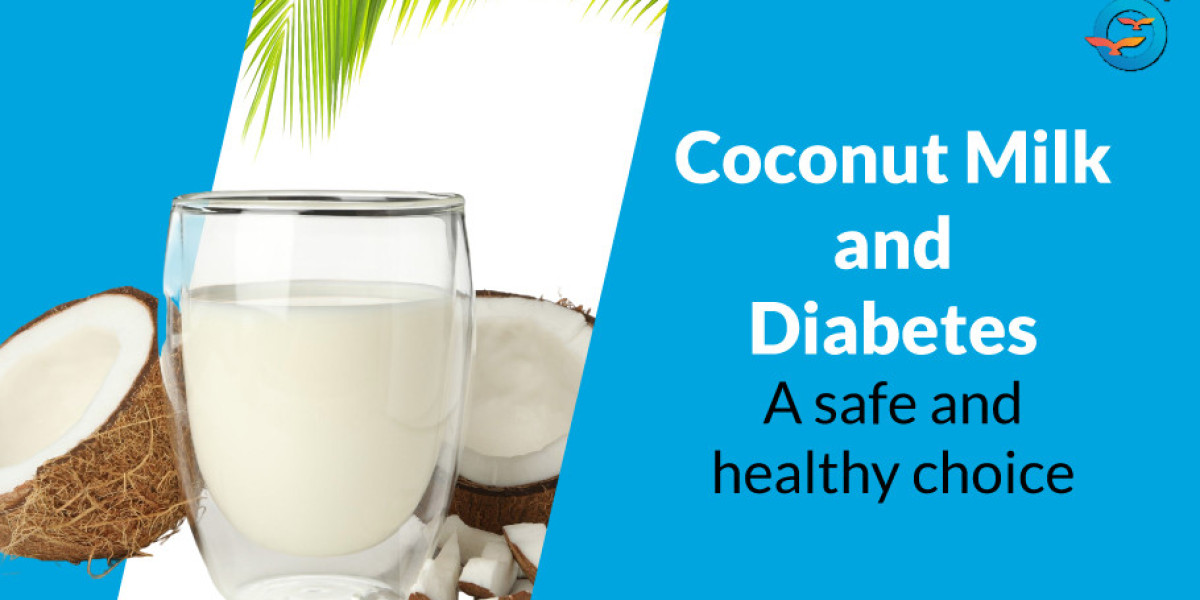

Is Coconut Milk Good for Diabetes?
Coconut milk is a creamy, naturally rich liquid extracted from the white flesh of mature coconuts. It is commonly prepared by blending grated coconut meat with water and then straining it to separate the thick liquid from the pulp. Widely used in tropical regions, coconut milk is a staple ingredient in Southeast Asian, South Indian, and Caribbean cuisines. From curries and soups to desserts and beverages, it adds a smooth texture and mild sweetness to many dishes.
With the growing popularity of plant-based diets and lactose-free alternatives, coconut milk has become a common dairy substitute. But an important question arises for people managing blood sugar levels: is coconut milk good for diabetes? Let’s understand this in detail.
What Makes Coconut Milk Nutritionally Unique?
Coconut milk stands out mainly because of its fat content. Unlike dairy milk, it contains no lactose and very few carbohydrates, which makes it suitable for people with diabetes when consumed wisely. It is rich in healthy fats, especially medium-chain triglycerides (MCTs), which are processed differently in the body compared to long-chain fats.
Coconut milk also provides essential vitamins and minerals. It contains vitamin E, a powerful antioxidant that helps protect the body from oxidative stress. Minerals like calcium, magnesium, potassium, and phosphorus support bone strength, muscle function, and overall metabolic health. For people who cannot tolerate dairy or prefer vegan options, coconut milk can be a useful alternative.
Is Coconut Milk Safe for Diabetes Patients?
Yes, coconut milk can be included in a diabetes-friendly diet when consumed in moderation. One of the key reasons is its low carbohydrate content. Low-carb foods are less likely to cause sudden spikes in blood sugar levels, which is crucial for diabetes management.
Another important point is that coconut milk does not contain insulin-like growth factor (IGF), which may interfere with insulin sensitivity. This makes coconut milk a safer choice compared to some dairy products for people focusing on blood sugar control.
The presence of MCTs is also beneficial. These fats are quickly converted into energy instead of being stored as fat. Some studies suggest that MCTs may help improve insulin sensitivity and support better metabolic health.
How Do Healthy Fats in Coconut Milk Help Diabetics?
Healthy fats play a vital role in diabetes management. The fats in coconut milk help slow down digestion, which leads to a gradual release of glucose into the bloodstream. This helps prevent sudden blood sugar spikes after meals.
Additionally, fats increase satiety. When you feel fuller for longer, you are less likely to snack on high-carb or sugary foods. Better appetite control supports weight management, which is a key factor in reversing insulin resistance and improving overall diabetes outcomes.
Fresh Coconut Milk vs Packaged Coconut Milk: Which Is Better?
Fresh coconut milk and packaged coconut milk differ in both nutritional value and quality. Fresh coconut milk is prepared at home using grated coconut and water. It retains its natural nutrients and does not contain preservatives, stabilizers, or artificial additives. This makes it the healthiest option, especially for people with diabetes.
Packaged coconut milk, while convenient, may contain emulsifiers, thickeners, preservatives, or even added sugars. Some brands offer clean-label or organic options, but others may reduce the health benefits through processing. Always read the ingredient list carefully. Choose unsweetened varieties with minimal ingredients if you opt for packaged coconut milk.
How Much Coconut Milk Can a Diabetic Consume?
Moderation is very important. Coconut milk is calorie-dense and high in saturated fat, so portion control is essential. For most diabetics, ¼ to ½ cup per day is a safe and practical quantity. Depending on individual blood sugar response, some people may tolerate up to 1 cup occasionally.
Choosing thinner coconut milk is often better than thick, creamy versions. Thinner coconut milk contains more water and fewer calories while still offering flavor and nutrition. It works well in soups, curries, smoothies, and vegetable preparations.
What Is the Best Way to Include Coconut Milk in a Diabetes Diet?
Coconut milk can be used smartly in everyday cooking. You can add small amounts to vegetable curries, dal, or soups instead of cream. It can also be blended into smoothies with low-glycemic fruits, seeds, and nuts. Using coconut milk occasionally in desserts made with natural sweeteners or no added sugar can satisfy cravings without harming blood sugar control.
Is Coconut Milk a Good Vegan Milk Option for Diabetics?
Yes, coconut milk is completely plant-based and suitable for vegans. For diabetics who avoid dairy due to lactose intolerance or personal choice, coconut milk can be a satisfying alternative. Just remember to choose unsweetened versions and control portion sizes.
Final Thoughts: Should Diabetics Use Coconut Milk?
Diabetics do not need to hesitate. When used in moderation and chosen wisely, coconut milk can be part of a balanced diabetes-friendly diet. It adds taste, supports satiety, and fits well into low-carb meal planning.
If you are curious to compare plant-based and dairy options, don’t miss our detailed guide on Almond Milk vs Cow Milk – what every diabetic should know.
Read more about this, visit our blog.
https://www.freedomfromdiabetes.org/blog/post/coconut-milk-and-diabetes/4262