
What are the top 10 Food-habits to reduce HbA1C?
What are the top 10 Food-habits to reduce HbA1C?
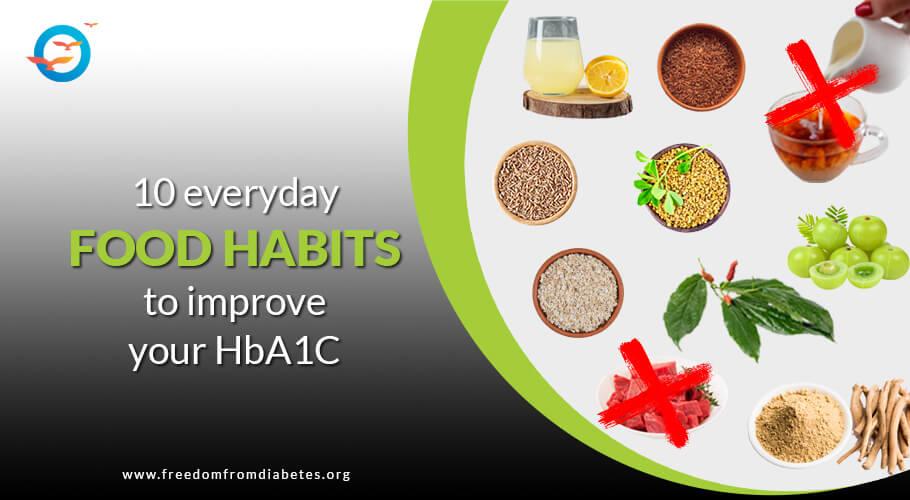
Managing diabetes becomes easier when you focus on everyday food habits that support stable blood sugar levels. HbA1c reflects your average blood glucose over the past two to three months, so the foods you eat daily play a major role in controlling it. Many natural foods and traditional practices can help bring your HbA1c down gradually, improve insulin sensitivity, and support overall metabolic health. The following food habits offer simple ways to strengthen your diet and move toward better diabetes management.
Choosing the Right Type of Oats
Many people enjoy cereals in the morning because they are quick and easy, but most of them are packed with sugar and refined carbohydrates that raise blood glucose levels. Oats are considered a healthier alternative, but even oats vary in quality. The best choice is steel cut oats because they are minimally processed and take longer to cook. Their high fibre content slows digestion and keeps sugar from entering the bloodstream too quickly.
Instant oats and pre flavoured packets are convenient, but they are partially cooked and often contain added sugar, which increases their glycemic index. If oats are part of your routine, it is important to understand the difference so you can make the right choice for your health. Slow cooked oats can support better HbA1c levels and keep you fuller for longer.
Reducing Red Meat for Better Insulin Sensitivity
Some people shift to meat when they reduce carbohydrates, but this approach may not be ideal for diabetes management. Red meat and many animal products contain high levels of saturated fat, which contribute to insulin resistance and raise the risk of lifestyle disorders. Cooking meat also creates harmful compounds that affect both insulin sensitivity and long term health.
Choosing plant based proteins is a better approach because they are easier to digest, lower in fat, and better for metabolic health. Beans, lentils, dals, and sprouts offer clean protein while supporting stable sugar levels. Reducing red meat and switching to healthier protein sources can become an important food habit for lowering HbA1c.
Lemon Juice for Blood Sugar Control
A simple glass of lemon water is refreshing and surprisingly powerful for blood sugar balance. Lemon juice contains bioactive elements that help slow down the absorption of sugar and prevent sudden rises in glucose. This is one reason the American Diabetes Association includes lemons in their list of diabetes friendly foods.
Warm water with lemon is also known for supporting weight management because it reduces cravings and keeps digestion active. It hydrates the body, supports heart health, and offers vitamin C. Adding lemon juice to the daily routine is an easy habit that brings multiple long term benefits.
Avoiding Milk in Tea for Better Blood Sugar
Tea is a morning favourite for many people, especially when mixed with milk and sugar. Tea leaves are naturally rich in polyphenols and flavonoids, which have anti inflammatory and anti diabetic properties. However, these benefits drop significantly when milk is added.
Milk contains carbohydrates, saturated fat, and a compound called Insulin Like Growth Factor which can interfere with insulin function. This combination may lead to higher blood sugar levels. Choosing black tea, green tea, or herbal tea without milk can help retain the natural benefits of tea and support better HbA1c control.
Starting the Day with Fenugreek Seed Water
Fenugreek seeds, also known as methi, are widely used in traditional medicine because of their ability to manage blood sugar naturally. When fenugreek seeds are soaked overnight, the water becomes rich in compounds that slow down sugar absorption and improve insulin response. Drinking this water on an empty stomach can improve digestion, support weight loss, and help maintain stable glucose levels throughout the day.
Many people also chew the soaked seeds for added benefits. Regular consumption can help reduce spikes and gradually bring down HbA1c levels.
Adding Gudmar the Natural Sugar Neutraliser
Gudmar, also called Gymnema Sylvestre, is a well known Ayurvedic herb that helps reduce sugar cravings and supports blood sugar control. Its name Gudmar literally means sugar destroyer because the herb can temporarily suppress the taste of sweetness. Gudmar leaves contain gymnemic acids that help regulate glucose levels and support better metabolic health.
A simple decoction made by boiling fresh leaves in water can be sipped through the day. This natural remedy has been used for centuries to manage diabetes and continues to be recommended for its effectiveness.
Amla for Daily Glucose Regulation
Amla or Indian Gooseberry is packed with antioxidants and vitamin C, making it highly effective for strengthening immunity and supporting blood sugar balance. Eating one amla a day can improve metabolism, reduce inflammation, and support weight loss. Its natural compounds help regulate glucose levels and keep the digestive system healthy.
Amla can be eaten raw, juiced, or consumed in powder form. Its regular use helps improve long term blood sugar trends and supports lower HbA1c levels.
Ashwagandha for Better Blood Sugar and Stress Control
Ashwagandha, often referred to as Indian Ginseng, is known for its ability to reduce stress, improve immunity, and support blood sugar balance. Stress plays a major role in fluctuating glucose levels, so the calming effect of Ashwagandha makes it particularly helpful for diabetics.
Its antioxidant and anti inflammatory properties can protect the heart, improve liver health, and support healthy metabolism. However, it should be taken in controlled quantities and preferably under guidance because excessive intake may cause unwanted effects.
Choosing Better Wheat Varieties
Wheat is a staple in many Indian households but not all types support diabetes management. While regular wheat has a moderate glycemic index and good fibre content, it may cause problems for those with gluten sensitivity. It can also raise blood sugar if eaten in excess.
Healthier wheat varieties such as emmer or khapli wheat, red wheat, spelt, and bansi wheat are easier to digest and have better nutrient profiles. They support stable glucose release and help maintain good digestive health. Replacing regular wheat with these traditional grains can help reduce HbA1c naturally.
Switching to Healthier Rice Varieties
Rice often has a high glycemic index and a high carbohydrate load, making it unsuitable for many people with diabetes. However, some varieties are safer and even beneficial. Brown rice, red rice, black rice, and hand pounded rice offer fibre, minerals, antioxidants, and nutrients that reduce inflammation and promote better glucose control.
These varieties digest slowly and support better metabolic balance, making them suitable for diabetics when eaten in moderation. Replacing polished white rice with these healthier options is an important step toward lowering HbA1c.
FAQs
-
Which foods help reduce HbA1c?
Foods such as oats, lemon juice, fenugreek seed water, amla, and traditional grains can support lower HbA1c levels when combined with healthy eating habits. -
Are there nutrients that help lower HbA1c?
Fibre, plant based proteins, and healthy fats help stabilise blood sugar and reduce spikes, which gradually helps lower HbA1c. -
Can I lower my HbA1c in one month
Small improvements can be seen within a month, but significant changes usually take two to three months because HbA1c reflects long term glucose levels. -
What is HbA1c and why is it important
HbA1c is a test that shows your average blood sugar over two to three months. It helps track diabetes control more accurately than a single glucose reading. -
How long does it take to lower HbA1c levels
It generally takes around two to three months to see noticeable changes because the body needs time to stabilise glucose patterns. -
Is lemon juice good for diabetes
Yes, lemon juice supports digestion, hydration, and blood sugar control because it has a low glycemic index and contains vitamin C without causing spikes.
To Read more about this, visit our blog.
https://www.freedomfromdiabetes.org/blog/post/10-food-habits-to-reduce-hba1c/2912

 English
 French
 Spanish
 Portuguese
 Deutsch
 Dutch
Dutch
 Italiano
 Russian
 Romaian
 Portuguese (Brazil)
 Greek
Greek
 Arabic