
What are the Best Rice for Diabetic Patients?
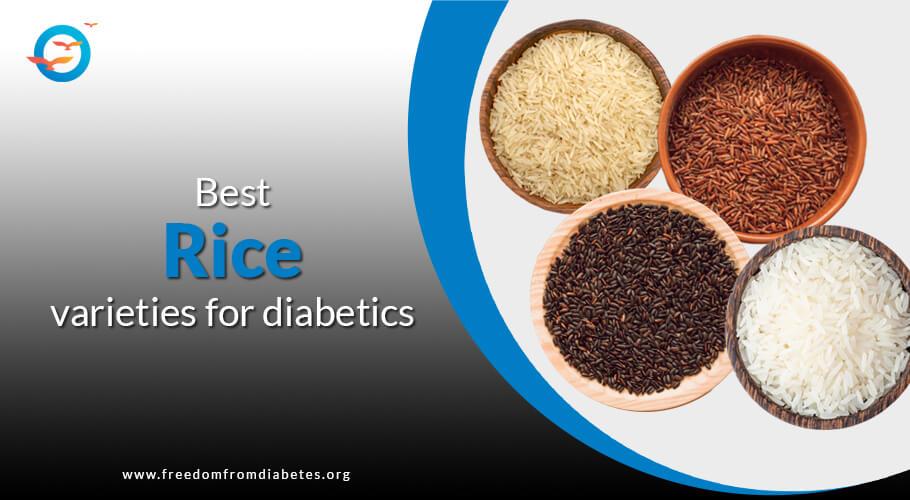
Best Rice for Diabetics: Choosing the Right Type for Better Blood Sugar Control
Many people with diabetes worry about eating rice, and it is understandable because rice is often seen as a high-GI food. The Glycemic Index (GI) measures how quickly a food raises blood sugar levels, on a scale from 0 to 100. Foods with a GI between 0 and 50 are considered low GI and are safer for diabetics. Foods between 51 and 100 fall in the medium to high category, which can cause sugar spikes. That is why rice, especially white rice, often gets a negative image among diabetics.
Even then, for those who love rice and cannot imagine their meals without it, the good news is that not all rice varieties are harmful. Some types of rice digest slowly, keep you full for long and do not cause sudden sugar spikes. Understanding these options can help you continue enjoying rice in a healthier way.
Healthy Rice Options for People with Diabetes
Brown Rice for Type 2 Diabetes
Brown rice is one of the most trusted options for diabetics. Unlike white rice, brown rice keeps its germ and bran layer intact, which means it retains more nutrients and fiber. White rice, on the other hand, contains only the starchy part and loses most of its nutritional value during processing.
A 100-gram serving of cooked brown rice gives around 26 grams of carbs, 1.5 grams of fiber, 3 grams of protein and essential minerals like manganese, magnesium, selenium and zinc. It also provides several B-vitamins that support metabolism and energy levels.
Brown rice benefits the body by offering slow and steady sugar release. Its high fiber content supports digestion, reduces hunger pangs and helps in weight control. Many studies show that brown rice helps reduce post-meal sugar levels and may even lower the chances of developing type 2 diabetes in the long run. The presence of magnesium also supports insulin function, making it a good addition to a diabetic-friendly plate.
Red Rice or Navara Rice for Diabetes
Red rice, also called Navara rice, is known for its deep reddish colour. This colour comes from anthocyanin, a powerful antioxidant also found in berries, grapes and currants. Anthocyanin gives the rice its unique colour and provides several benefits like anti-inflammatory, anti-microbial and heart-protective effects.
Red rice has a lower glycemic index, which means it does not raise blood sugar rapidly. This makes it safer for diabetics when eaten in controlled portions. Its magnesium content supports heart health and regulates blood pressure. The rich fiber present in red rice helps you stay full, supports digestion and slows the absorption of sugar into the bloodstream. Red rice also helps in reducing inflammation, which is important because inflammation plays a big role in insulin resistance and metabolic disorders. Its minerals including iron, calcium and selenium contribute to building overall strength and immunity.
Black Rice for Diabetes
Black rice has a long history and was once considered so valuable in ancient China that only royalty could eat it. Today, everyone can enjoy its benefits. Black rice gets its rich dark colour from anthocyanins, the same antioxidant found in red rice but in higher amounts.
It contains the highest protein among all rice varieties, with almost 9 grams of protein per 100 grams, compared to the usual 7 grams in regular rice. It also provides 34 grams of carbs, 3 grams of fiber and 12 percent of the daily required iron.
Black rice is extremely rich in antioxidants, with more than 20 different antioxidant compounds that protect the body from oxidative stress. This is important because oxidative stress is linked to conditions like heart disease, cancer and Alzheimer’s. Its high flavonoid content also supports heart health by improving cholesterol levels. Black rice contains carotenoids that support vision and help protect the eyes from damage caused by blue light, which is especially important for diabetics who are at risk of eye complications. Since black rice is naturally gluten-free, it is a safe option for people with gluten intolerance or celiac disease.
Hand-Pounded Rice for Diabetes
Hand-pounded rice is processed in a more traditional way by pounding it in a mortar and pestle or stone grinder. This technique removes the husk but keeps the bran layer intact. Machine processing creates heat that destroys nutrients, making hand-pounded rice a healthier choice.
A 100-gram serving gives around 7.5 grams of protein, 76 grams of carbs, 1 gram of fiber, 23 mg of calcium and 3.6 mg of iron, with zero cholesterol. This rice contains essential nutrients like magnesium, selenium, B-vitamins, vitamin K and vitamin E. Its complex carbs keep you full for long, prevent overeating and support steady sugar release. The fiber supports digestion, while minerals like magnesium and selenium help improve blood circulation and reduce the risk of colon issues and certain cancers. Hand-pounded rice has a lower glycemic index, making it suitable for diabetic meals. It is available in different regional names like Hath Sadi, Dheki and Kaikuthal Arisi.
Frequently Asked Questions
Can I eat rice if I have diabetes?
Yes, you can eat rice, but you should choose whole-grain varieties like brown, red, black or hand-pounded rice. Eating them in moderation helps keep your sugar stable.
Which rice is suitable for diabetic patients?
The best options include brown rice, red rice, black rice and hand-pounded rice.
Is brown rice healthier than white rice for diabetes?
Yes, brown rice is better because it contains more fiber, vitamins and minerals. Its slow digestion helps keep sugar levels stable, unlike white rice which causes quick spikes.
Can diabetics eat basmati rice?
Yes, basmati rice has a low to medium glycemic index. Small portions can be included in a balanced diabetic meal.
How does rice affect blood sugar?
Rice is rich in carbohydrates, so it can raise blood sugar. The impact depends on the portion size and the type of rice chosen. Low-GI varieties are safer.
Can diabetics eat rice daily?
Yes, but in controlled portions. Choosing low-GI rice and pairing it with vegetables and proteins helps manage sugar levels better.
How much rice can a diabetic safely eat?
A safe portion is around half a cup of cooked rice. Pairing it with fiber-rich vegetables and good protein helps prevent sugar spikes.
To Read more about this, visit our blog.
https://www.freedomfromdiabetes.org/blog/post/best-rice-for-diabetics/2905

 English
 French
 Spanish
 Portuguese
 Deutsch
 Turkish
 Dutch
Dutch
 Russian
 Romaian
 Portuguese (Brazil)
 Greek
Greek
 Arabic