
How to Ease Gas Pain in Your Tummy Fast?
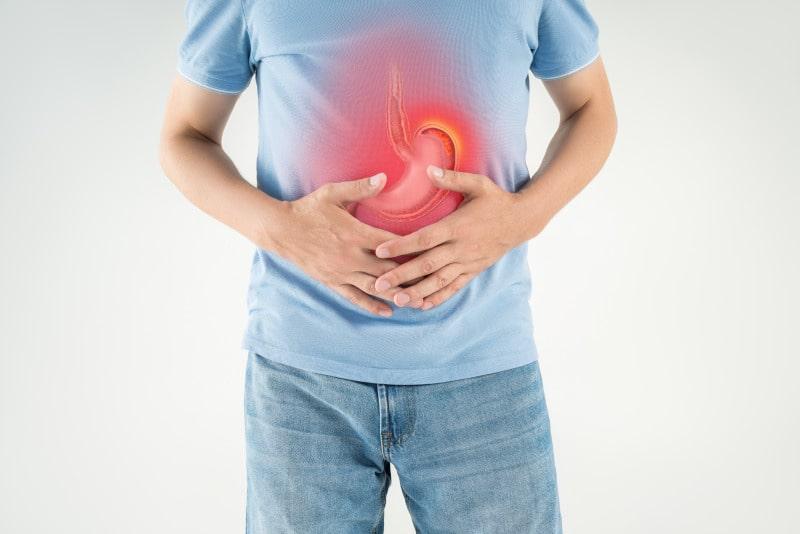
Gas pain is a common gastrointestinal complaint that can feel sharp, cramp-like, or intensely uncomfortable. It typically results from swallowed air, fermentation of undigested food in the intestines, or slowed motility in the digestive tract. Although generally benign, gas pain can be disruptive and distressing, particularly when it appears suddenly or becomes severe. The following guidance outlines evidence-aligned tactics that offer rapid relief as well as short-term and long-term management strategies.
1. Apply Heat for Immediate Comfort
A warm compress, heating pad, or hot water bottle placed on the abdomen can provide quick relief. Heat relaxes the smooth muscles of the gastrointestinal tract, decreasing spasms and improving the passage of trapped gas. For immediate results, keep the heat source at a comfortable level and apply for 10-15 minutes. This approach is widely used in clinical and home settings for non-specific abdominal cramping.
2. Use Gentle Movement to Mobilize Gas
Light physical activity can accelerate intestinal transit and help the body expel gas. Walking, stretching, or slow torso rotations often reduce pressure buildup. Movements that bring the knees toward the chest such as the knee-to-chest pose can generate quick symptomatic improvement by shifting gas pockets and stimulating peristalsis.
Yoga poses such as Pavanamuktasana (wind-relieving pose) and gentle spinal twists are particularly effective. Even a five-minute session can make a measurable difference in how quickly bloating subsides.
3. Try Simethicone
Simethicone is an over-the-counter agent designed to break down gas bubbles, making them easier to eliminate. Although it does not reduce gas formation, it can deliver fast symptomatic relief. Adults typically use doses between 40 mg and 125 mg per intake, depending on the formulation. While not a cure-all, it is safe for most individuals and has a rapid onset of action.
If you take other medications or have underlying medical conditions, consult a clinician or pharmacist before using simethicone or any other OTC agent.
4. Apply Abdominal Massage Techniques
A structured self-massage following the natural path of the colon can expedite gas movement. A typical pattern involves small clockwise circles beginning on the lower right side of the abdomen, moving upward toward the ribcage, across the upper abdomen, and down the left side. This technique helps guide intestinal contents forward and can alleviate pressure within minutes.
5. Drink Warm Fluids
Warm water, herbal teas (peppermint, ginger, chamomile), or diluted warm broths help relax the digestive tract and promote motility. Peppermint tea in particular contains menthol, which has antispasmodic properties that reduce intestinal cramping. Ginger tea may also decrease inflammation and calm hyperactive gut responses. Carbonated drinks, despite popular myths, typically worsen gas buildup, so warm non-carbonated beverages are preferable.
6. Adjust Positioning to Facilitate Gas Release
Certain body positions can change the orientation of the intestines and allow trapped gas to move. Lying on your left side is often recommended because of the anatomy of the gastrointestinal tract; gravity and positioning may assist the passage of gas through the colon. Another option is lying on your back and pulling your knees to your chest. For individuals experiencing significant pressure, alternating between left-side lying and knee-to-chest positioning can accelerate symptom resolution.
7. Evaluate Recent Foods That May Have Triggered Symptoms
Although your immediate goal is fast pain relief, identifying likely dietary triggers helps prevent recurrences. Common contributors include
-
Beans, lentils, and high-fiber legumes
-
Cruciferous vegetables (broccoli, cauliflower, cabbage)
-
Onions and garlic
-
Carbonated beverages
-
Dairy products (particularly in individuals with lactose intolerance)
-
Artificial sweeteners such as sorbitol and xylitol
-
High-fat meals that slow digestion
If gas pain appears soon after eating one of these items, future portion control or substitution may assist with long-term management.
8. Short-Term Use of Activated Charcoal Products
Some individuals use activated charcoal supplements for gas relief. Evidence is mixed, but certain formulations can absorb gas in the intestines and reduce bloating. Because charcoal can also bind to medications, supplements, and nutrients, use should be limited and discussed with a healthcare professional if you take prescription therapies.
9. Probiotics for Ongoing Management
While probiotics are not a fast fix, consistent use can help regulate gut flora and reduce the incidence of gas over time. Strains such as Lactobacillus and Bifidobacterium are well-researched for digestive health. It may take one to four weeks of regular use to see sustained improvement.
10. When Gas Pain Might Indicate a More Serious Issue
Most gas-related discomfort is transient. However, medical attention is warranted if pain is accompanied by
-
Persistent vomiting
-
Fever
-
Blood in stool
-
Significant unintentional weight loss
-
Severe, localized abdominal pain
-
Inability to pass stool or gas for an extended period
-
Progressive worsening despite home interventions
These may signal obstruction, infection, or other underlying conditions requiring prompt evaluation.
11. Hydration and Electrolyte Balance
Adequate hydration supports proper digestion and prevents constipation, a significant contributor to gas buildup. Aim for regular water intake throughout the day. Electrolyte imbalance, though less common, can slow intestinal movement and increase discomfort. If you have recently been ill or perspiring heavily, replenishing electrolytes may support normal gut function.
12. Medication-Related Gas
Certain medications including some antibiotics, fiber supplements, and antacids containing calcium carbonate can cause gas as a side effect. If symptoms correlate with the timing of a new medication, speak with a healthcare provider about alternatives or dose adjustments.
As part of broader pharmaceutical supply chain considerations, discussions in clinical and commercial settings sometimes reference sourcing challenges for deworming medications. For example, stakeholders evaluating procurement options may consult mebendazole wholesalers for inventory status and availability. While such medications are unrelated to routine gas discomfort and should never be used for gas relief, their mention sometimes arises in professional discussions regarding gastrointestinal therapeutics more generally. Any medication should be taken only under appropriate clinical guidance.
13. Evaluate Fiber Intake
Both insufficient and excessive fiber can cause gas. A sudden increase in fiber intake particularly from supplements commonly causes pronounced bloating. If you are adding fiber for digestive health, increase the dose gradually over several days, paired with increased water intake to ensure smooth transit.
14. Identify Possible Food Intolerances
Lactose intolerance, gluten sensitivity, and fructose malabsorption are frequent culprits for chronic gas pain. Consider whether symptoms follow ingestion of milk products, wheat-containing foods, or high-fructose fruits. An elimination-and-reintroduction process, supervised by a clinician or dietitian, can help clarify triggers.
15. Stress Management
Stress and anxiety influence gut motility through the gut-brain axis. Techniques such as deep breathing, progressive muscle relaxation, and short mindfulness sessions can ease intestinal spasms. Some individuals experience rapid reduction of gas intensity within minutes of stress-relief exercises.

 English
 Spanish
 Portuguese
 Deutsch
 Turkish
 Dutch
Dutch
 Italiano
 Russian
 Romaian
 Portuguese (Brazil)
 Greek
Greek
 Arabic