
From Ancient Insights to Modern Solutions: The History of Regenerative Science
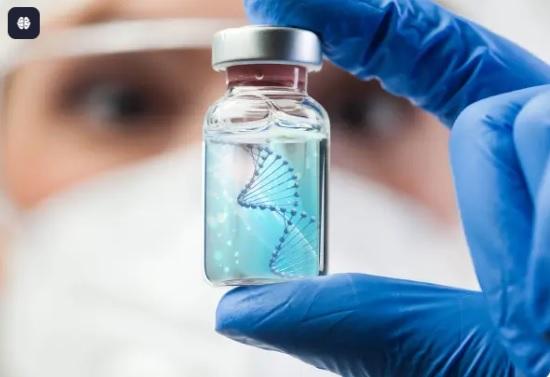
The human body's capacity for self-repair has fascinated people for centuries, from ancient observations of liver regeneration to modern scientific pursuits. How did these early ideas evolve into the advanced therapies available today? This journey through time reveals a persistent drive to understand and support the body's innate healing mechanisms, leading to developments like the Regenerative Protein Array (RPA) from Genesis Regenerative, which have shown promising results in supporting the body's natural healing processes.
The earliest records of regenerative principles date back to antiquity. Ancient Egyptians utilized materials like honey to aid wound healing, while physicians in ancient India were developing early forms of skin grafting. These initial practices, though basic by today's standards, showed a fundamental understanding that the body could be assisted in its recovery. These methods laid the conceptual groundwork for future medical investigations into tissue repair and restoration.
Scientific progress accelerated with the invention of the microscope in the 17th century. For the first time, scientists could see the cellular building blocks of life. This newfound ability to observe cells opened the door to cellular biology. The subsequent centuries were marked by foundational discoveries, including the identification of cells as the fundamental units of tissue and the gradual understanding of their complex functions within the body.
The 20th century marked a significant turn with the emergence of tissue engineering. Researchers learned to use biocompatible scaffolds to guide cell growth, creating templates for new tissue. Around the same time, the discovery of stem cells in the 1960s provided deep insights into how the body creates specialized cells. This era of discovery paved the way for new approaches focused on directing the body’s own repair systems.
As understanding deepened, scientists recognized that the therapeutic benefits often came from the signaling molecules that cells produce, such as proteins and growth factors. This insight prompted a shift toward acellular approaches, focusing on isolating these powerful biological messengers. Advanced manufacturing techniques now allow for the precise concentration of these proteins, representing the current frontier in a long history of efforts to support the body's ability to naturally heal itself.
Are you interested in exploring how modern regenerative therapy works? Visit Genesis Regenerative online at https://genesisregenerative.com/ to discover if RPA Therapy is a suitable option for your wellness goals and to locate a qualified clinician in your area.

 English
 Spanish
 Portuguese
 Deutsch
 Turkish
 Dutch
Dutch
 Italiano
 Russian
 Romaian
 Portuguese (Brazil)
 Greek
Greek
 Arabic